Managing Gulches: Wildfire Mitigation Lessons
What's the challenge?
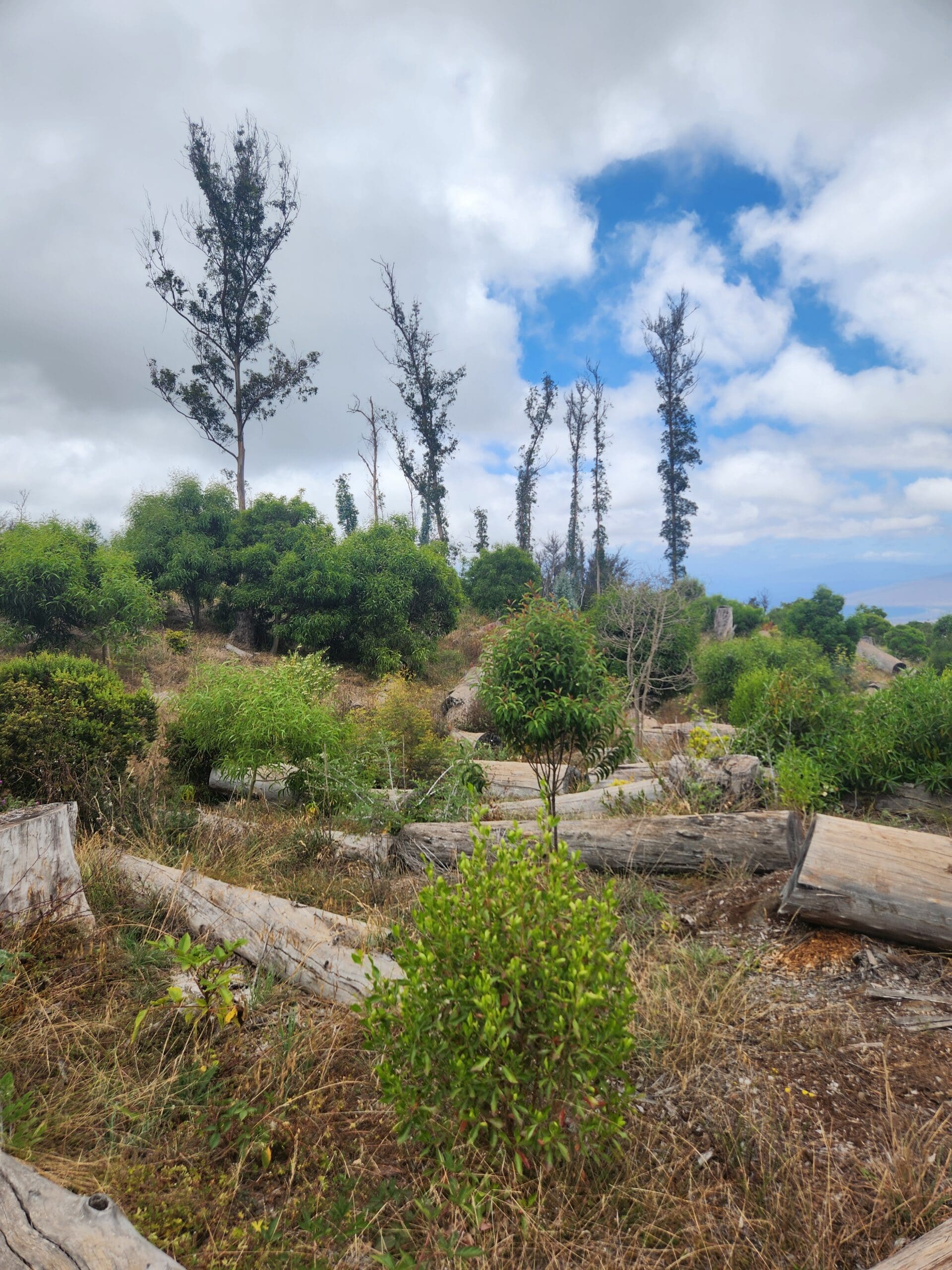
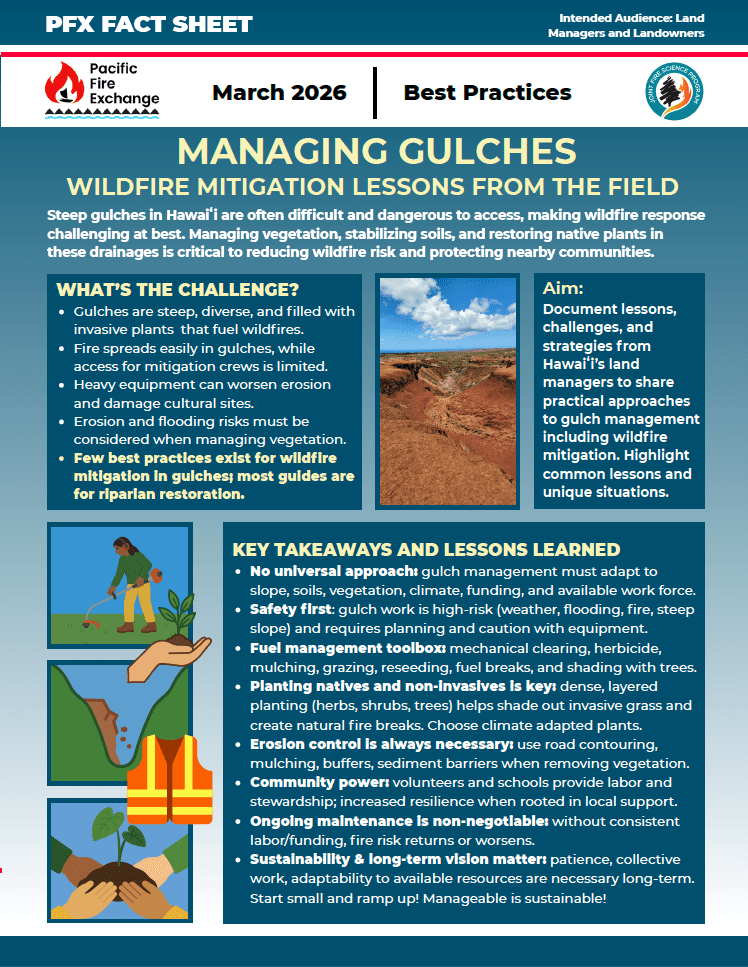
Steep gulches in Hawai’i are often difficult and dangerous to access, making wildfire response challenging at best. Managing vegetation, stabilizing soils, and restoring native plants in these drainages is critical to reducing wildfire risk and protecting nearby communities.
About this Resource
As communities across Hawaiʻi work to reduce wildfire risk, managing vegetation in and around gulches, ravines, and stream channels has been especially challenging. These areas can act as wildfire pathways—but guidance on how to balance watershed restoration, erosion, and fire risk reduction is hard to come by. These resources were created to help fill that gap.
The Interview Synthesis brings together practical, field-tested approaches for reducing wildfire fuels near drainage features while also minimizing erosion and other unintended impacts. It draws from 7 case studies across Hawaiʻi including in-depth interviews with experienced land managers, restoration practitioners, and wildfire professionals who have spent years working in these steep and complex landscapes. Rather than offering a one-size-fits-all solution, the interviews highlight a range of strategies—such as targeted vegetation removal, erosion control techniques, reseeding, and adaptive management—tailored to different site conditions.
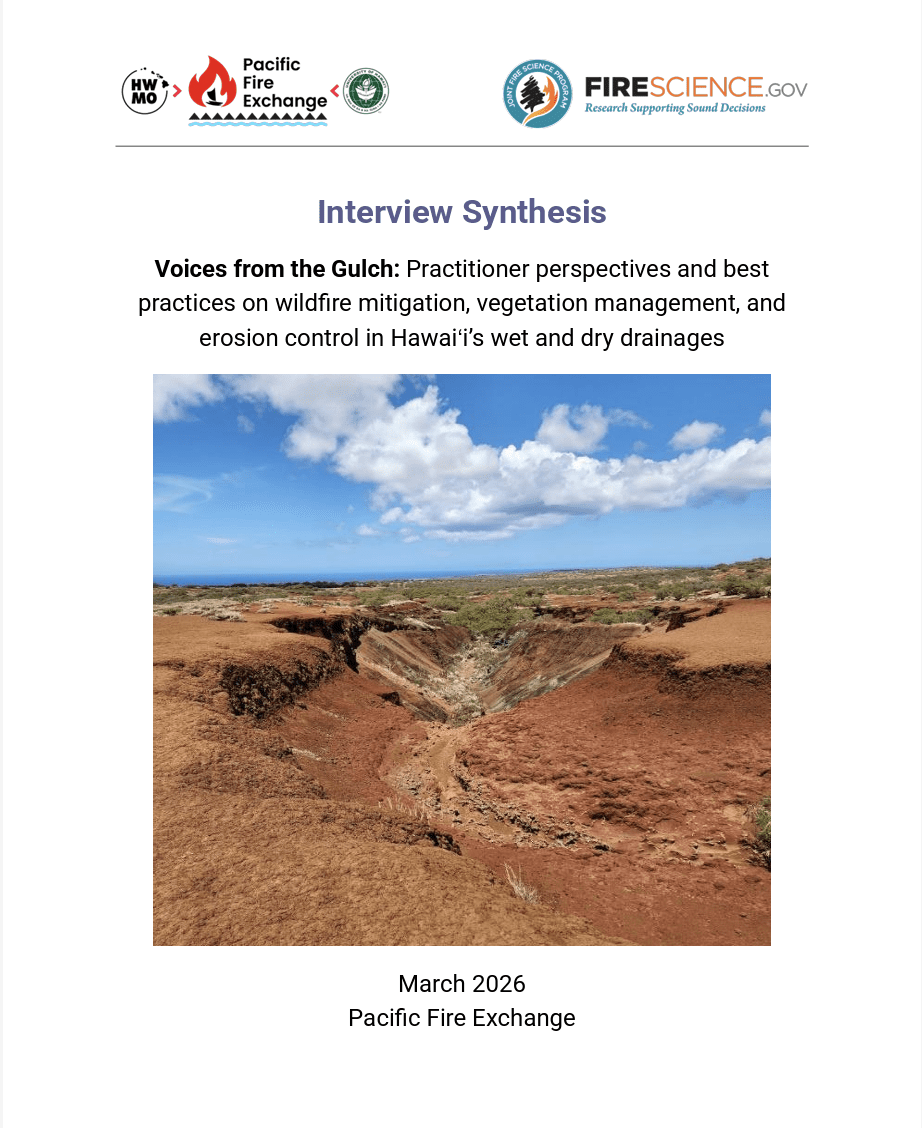
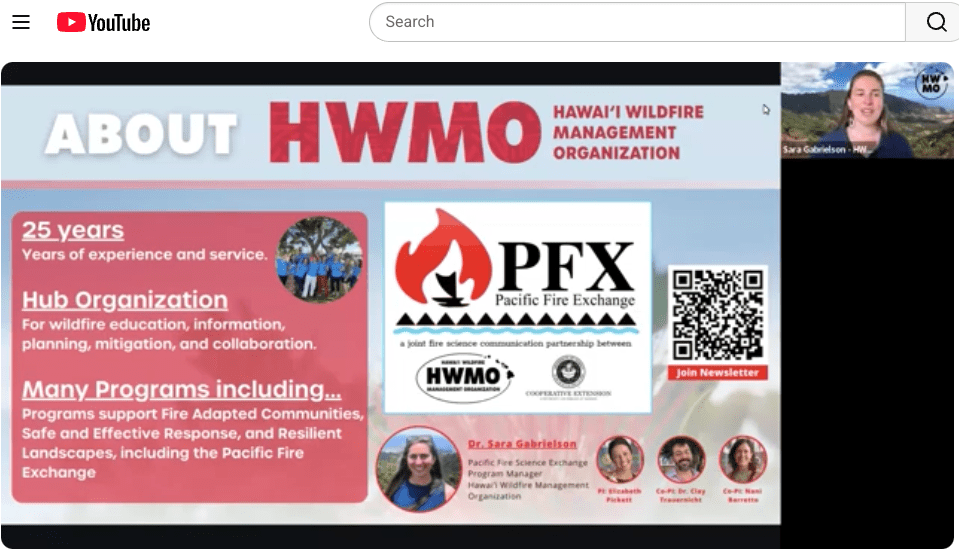
From the Interveiw Synthesis, a Fact Sheet was created which summarizes some of the lessons learned across gulches and highlights unique approaches from each case study. PFX hosted a webinar to launch these resources on April 2, 2026 and you can find the recording below including a panel discussion with land managers. This suite of resources is designed for landowners, land managers, conservation practitioners, fire professionals, and community groups who are planning or implementing wildfire risk reduction projects in and around gulches, streams, and other drainage features.

Case Study Summaries
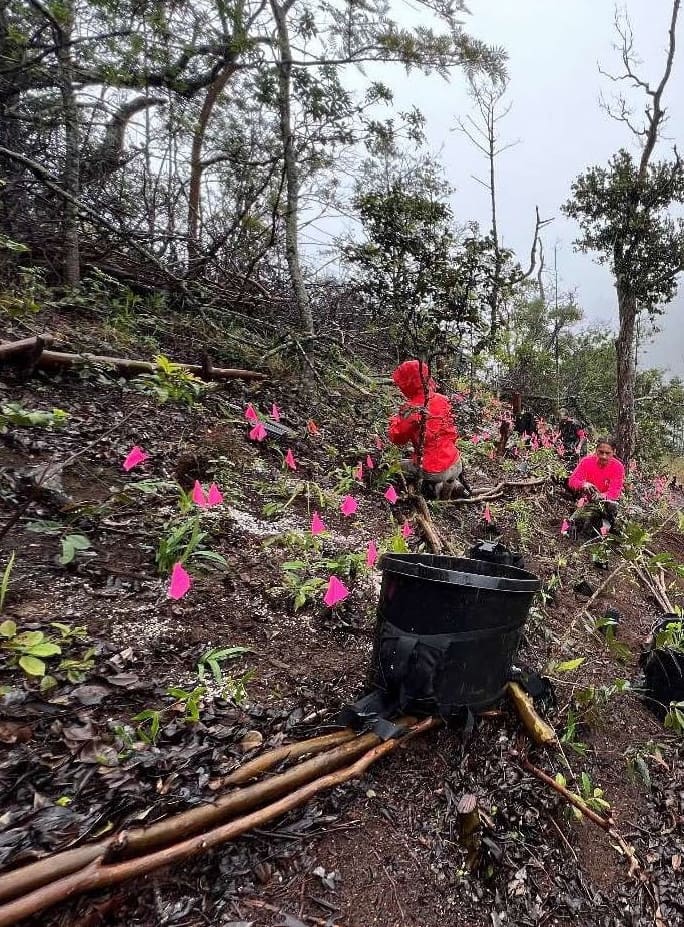
Wai‘anae Mountains Watershed Partnership, Oʻahu — a collaboration across public and private landowners in the Wai‘anae Mountains and Wai‘anae Kai Forest to protect communities in the Wildland-Urban Interface from wildfire, restore native ecosystems, and engage schools and volunteers in fire-adapted restoration.
- The main focus is on steep slopes where erosion and water retention are both common challenges when balancing weed management, fuels reduction, and native restoration.
- Aggressive early fuels removal targeting invasive trees and grasses; using weed mats to suppress regrowth and protect native plantings for 3–5 years.
- Establishing green fire breaks is a key strategy. They are planted in dense layered rows (groundcover, shrubs, trees) to shade out grasses, slow fire spread, stabilize soil and restore habitat.
- Emphasis on drought-tolerant, coastal, and slower-burning native species (e.g., naupaka, milo, ʻaʻaliʻi) to create resilient, site-appropriate green buffers.
- Volunteer and school programs supporting nurseries and plantings—crews prep sites (digging holes, laying mats) to maximize efficiency and participant impact.
- Restoration design emphasizes compartmentalizing fire, buying firefighters time, and preventing spread into mauka forests with intact native ecosystems and into the surrounding communities.
Honolulu Board of Water Supply, Oʻahu — ongoing watershed restoration on Oʻahu, including Waiʻanae and Mākaha upper watersheds, focused on stabilizing riparian areas, reducing invasive fuels, and protecting soil and water resources while supporting community partnerships.
- Watershed protection priorities include erosion control, invasive species management, fire risk reduction, and ground water retention.
- Felling fire-prone trees prevents fuel continuity, but retaining stumps allows for bank stabilization and debris catchment.
- Keeping streambeds clear and stacking cleared vegetation upslope, above high-water marks, prevents fire spread and erosion.
- Using low-cost erosion controls (coconut coir or straw wattles angled upslope) assists with slowing water and debris flow.
- Prioritizing practical, site-adapted fuel reduction that uses resources available on site and for low cost and balances wildfire risk with soil and ecosystem protection.
- Collaborating with agencies, schools, and community groups enhanses sustainable, locally feasible wildfire mitigation strategies.
Division of Forestry and Wildlife, Maui — ongoing wildfire and watershed management in Upcountry Maui gulches aimed at reducing fire risk, preventing erosion, and restoring native vegetation in steep, high-risk drainages.
- Treating gulches cautiously. When possible focusing first on preventing fire spread into gulches rather than clearing them entirely particularly for erosion concerns.
- Using a phased treatment process, first thin invasives like black wattle and eucalyptus gradually begin replacing with erosion-tolerant natives. Using erosion control methods to stabilize slopes during and after fuel removal (hydromulching, planting ryegrass and kikuyu, fencing, coir wattles).
- Adapting methods to slope and access by using small machinery near edges and hand crews inside steep ravines with safety spotters.
- Combining tools - grazing, buffer zones, revegetation, and community collaboration - to balance fire reduction with soil and watershed protection.
- Balancing priorities of restoration with fire mitigation. Native shrubs and trees do increase the fuel load, but they provide other ecosystem services and benefits that are important to promote.
Kula Community Watershed Alliance, Maui — post-fire burn scar restoration effort, formed by fire survivors after the 2023 Kula gulch fires, working to reduce fuels, stabilize burned slopes, and restore native vegetation in Kula’s residential gulches and watershed with collaboration from the Skyline Conservation Initiative and NRCS.
- Repurposing invasive eucalyptus and black wattle into mulch, erosion barriers, and “nurse logs” to retain soil moisture, slow runoff, and protect seedlings.
- Installing log barriers and wood chip mulch immediately after fire to stabilize hydrophobic soils, increase water retention, suppress weeds, and reduce the need for herbicide use.
- Planting hardy natives like koa and ʻaʻaliʻi behind nurse logs for successful establishment and canopy growth.
- Being strategic about volunteer efforts to ensure they feel a sense of success and put their collective work effort towards a satisfying project. Sustainability is key for long-term engagement.
- Leveraging partnerships by combining community volunteer labor, technical support, and conservation expertise to manage steep, fuel-heavy gulches.
Mauna Kea Watershed Alliance, Hawaiʻi — multi-year restoration partnership on Mauna Kea’s slopes (primarily eastern) which includes many intermittent snowmelt and rainfall streams running down gullies and gulches. Gulch management centers on native forest restoration, reducing invasive fuels, and supporting native bird corridors.
- Treating gulches as anchor points to design maintenance around - managing gulch margins for invasive plants, using gulches as wildlife corridors, green fuel breaks, and containment lines for fire response.
- Fuel reduction targeting gorse and non-native grasses using mixed mechanical, manual, chemical, and some aerial techniques.
- Native restoration for long term fuel reduction including koa and māmane restoration to build canopy shade, suppress invasive regrowth, and restore bird habitat.
- Maintaining access and monitoring: keeping roads and infrastructure mowed quarterly for access and fire breaks, performing annual invasive checks, maintaining multiple access routes for crew safety, and combining volunteer stewardship with contractors when large scale or heavy equipment is required.
Kealakekua Mountain Reserve, Hawaiʻi — a 9,600-acre former ranch in South Kona, restoring montane dry to wet forests through targeted fuels reduction, native ecosystem restoration, and erosion management while balancing costs, labor, and sustainable maintenance.
- Managing erosion from outside gulches by restoring bare upland areas, maintaining roads for fuels and water diversion, and installing barriers before sediment enters streams.
- Fuels managed with selective herbicide, hand-pulling, grazing for grasses, and careful use of machines balancing cost and erosion potential.
- Planting natives on gulch margins, instead of channels, to increase survival of flash floods. Using enclosures to protect from grazing.
- Long-term planning is critical: prioritize reducing large fuels if ongoing grazing or irrigation cannot be sustained; avoiding bulldozers for firebreaks due to erosion and cultural site damage.
- Recognizing the need for a conservation economy: expanding grant support and partnerships with NRCS and the State to sustain fuels reduction, grazing programs, and local conservation services.
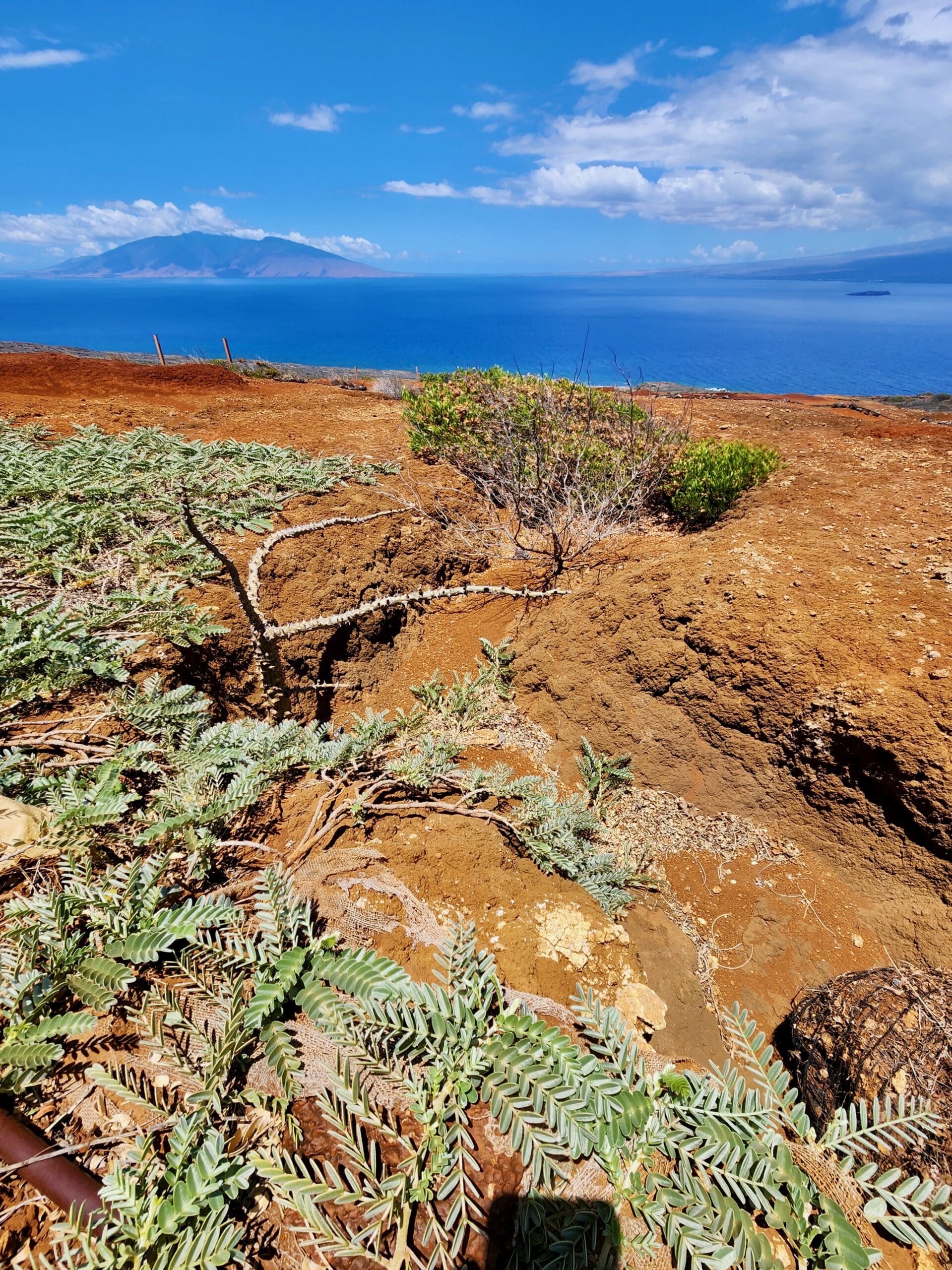
Kaho‘olawe Island Reserve Commission, Kahoʻolawe — over 20 years of ridge-to-reef restoration on Kaho‘olawe, aiming to stabilize severely degraded gulches, reduce invasive wildfire fuels, and prevent toxic runoff from hardpan soils into the ocean through resourceful, volunteer-powered projects.
- Prioritizing safety is necessary due to extreme topography, hydrophobic soils, unexploded ordinances left by the military, and isolation of the island. Focusing on headwaters stabilization, uppper slopes, and rims when in-gulch work is too dangerous.
- Using erosion controls like wattles, fascines, rock check dams, and pili grass bales to slow water, trap soil, and collect seed.
- Repurposing local and scrap materials (rock, wood pallets, nets, cardboard, tins) for barriers, mulching, and seed protection. Using every dip and swale in the topography to capture soil and water.
- Prioritizing hardy natives like ʻaʻaliʻi for xeriscaping; testing, adapting, and replanting with species proven to thrive in arid, windy, and exposed sites.
- Always planing with contingencies—adapting methods for safety, volunteer capacity, and material limits in remote, resource-poor conditions.